

How to Set Up an Estate Sale
(Step by Step)
Whether you're settling a loved one's estate, downsizing after decades in one home, or liquidating a property on a deadline — running an estate sale is one of the most practical ways to turn a house full of belongings into real money. It's also one of the most overwhelming things you can take on if you've never done it before.
This guide breaks the whole process into clear, manageable steps. You don't need to be an expert. You just need a plan — and the right tools.
What Is an Estate Sale, Exactly?
An estate sale is a sale of most or all of the contents of a home — usually held on-site over two to four days. They happen for all kinds of reasons: a death in the family, a move to assisted living, a divorce, or simply the need to clear a house before it sells.
Unlike a garage sale, estate sales typically include furniture, artwork, jewelry, kitchenware, tools, clothing, and everything in between. Buyers range from neighbors and families to antique dealers, collectors, and resellers. The goal isn't just to get rid of stuff — it's to get fair value for what's there.

How to Set Up an Estate Sale: 7 Easy Steps!
STEP 1 - Sort Before You Price.
Before you tag a single item, do a full pass through the house. Your only job in this first phase is to separate everything into four categories:
-
For sale — anything that stays in the house for the sale
-
Keep — family heirlooms, personal documents, items going to relatives
-
Donate — things with little resale value but still usable
-
Trash — broken, unsalvageable, or genuinely worthless items
Don't start pricing during this pass. You'll second-guess yourself constantly and slow everything down. Sort first. Price later.
Pro tip: As you go room by room, photograph items with Valuable to identify them and get an early read on what might be worth real money. You'll be surprised what turns up.
STEP 2 - Research and Price Your Items
Pricing is where most people either leave money on the table or price themselves out of buyers. The secret? Use real sold data, not your instincts.
-
Search eBay's sold listings (not active listings) to see what items actually sold for
-
Check Etsy, Facebook Marketplace, and local auction results for regional demand
-
Use Valuable's AI pricing tool — point your phone at any item and get a comparable price range from recent real-world sales in seconds
A general baseline: estate sale prices are often around one-third of retail replacement value. But antiques, collectibles, and in-demand brands can far exceed this. Don't guess on those — look them up.
STEP 3 - Pick Your Dates and Check Local Rules.
Most estate sales run Thursday through Sunday, with the highest traffic on Friday and Saturday morning. Give yourself at least two weeks to prepare properly — rushing setup leads to underpriced items and a chaotic sale floor.
-
Check with your local city or county — some require permits for estate sales
-
Let neighbors know in advance; they'll appreciate it and often become your first customers
-
Consider weather if you're staging items in a garage or on a porch
STEP 4 - Stage the Space for Shoppers
People buy more when they can browse comfortably. Group items by category — kitchen together, tools together, linens together — and create clear pathways through every room. Use tables, risers, and racks to get things off the floor and visible.
-
Label every item with a clearly visible price tag
-
Highlight your best pieces near the entrance to draw people in
-
Keep fragile, high-value items in a supervised area or behind a table
-
Good lighting matters — open curtains, add lamps, make it easy to see condition clearly
STEP 5 - Advertise Your Sale
Traffic is everything. The more qualified buyers who show up, the more you sell. Post your sale at least a week in advance across multiple channels:
-
EstateSales.net — the most trafficked estate sale listing site
-
Craigslist and Facebook Marketplace — great for local reach
-
Nextdoor and local neighborhood Facebook groups
-
Instagram if you have standout pieces — a single viral photo can bring hundreds of people
Photos are non-negotiable. Sales with photos get dramatically more views. Use good natural light, clean backgrounds, and photograph your best 10–20 items individually. Valuable can generate item descriptions automatically if you need help with copy.
STEP 6 - Run the Sale
On sale days, have at least two people on-site — one to manage traffic and one to handle transactions. Bring a cash box with change, a card reader (Square or similar), and bags or newspaper for wrapping fragile items.
-
Be prepared to negotiate — expect 10–20% haggling and decide your hard floors in advance
-
On Day 2 (or the final day), reduce prices by 25–50% to move remaining inventory
-
Keep a simple log of what sells and for how much — it's useful for taxes if you're managing an estate
-
Have a plan for large item pickup — offer same-day or next-day pickup windows
STEP 7 - Handle What's Left
There will always be leftovers. Don't let the end of the sale feel like failure — it's just the next step.
-
Call a local charity for a pickup — many will take almost everything for free
-
Offer a buy-out to a dealer or junk removal company for the remainder (usually a flat fee)
-
List remaining high-value items online through Valuable's marketplace integrations
-
If needed, schedule a dumpster for true junk
Pro tip: Valuable's inventory export feature makes post-sale donation easy — you can print a full list for tax receipt purposes in one tap.
What Sells Best at Estate Sales?
Some categories perform consistently well. Others move slowly no matter how you price them. Here's a quick guide to what buyers are actually looking for:

Collectibles & Ceramics
McCoy pottery, Fenton glass, vintage Pyrex, Fiesta, and Depression glass all have dedicated collector followings and strong resale value.

Tools & Hardware
Quality hand tools, vintage power tools, and workshop equipment sell extremely well — especially to tradespeople and hobbyists.

Furniture
Mid-century modern, solid wood, and vintage pieces with original hardware move fast. Pressboard and particle board furniture rarely sells.

Kitchen & Cookware
Cast iron, Le Creuset, Dansk, Copper, and vintage barware move quickly. Generic non-stick pans do not.

Jewelry
Even costume jewelry can sell well. Sterling silver, gold, vintage signed pieces, and unusual stones attract dealers and collectors. Have a jeweler's loupe on hand.
Art & Prints
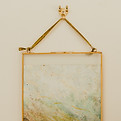
Original paintings, signed prints, and vintage posters can range from $40 to $4,000+. Use Valuable or a local appraiser before pricing anything that looks significant.
Frequently Asked Questions
Do I need a permit to run an estate sale?
Should I hire an estate sale company or do it myself?
How long does it take to set up an estate sale?
What should I do with items that don't sell?
Can I run an estate sale while the house is still lived in?
