

What Your Items Are Worth — Instantly
If you’ve ever looked at something in your home and wondered, “Is this worth anything?” — you’re in the right place. Valuable is an AI-powered tool that identifies objects, estimates their value, and helps you catalog everything you own. Whether you’re a collector, reseller, thrifter, or simply curious, this guide will walk you through the factors that influence value and how to understand what your items are really worth.
How to Find Out What Your Item Is Worth
With Valuable, identifying and valuing your items takes less than 10 seconds.
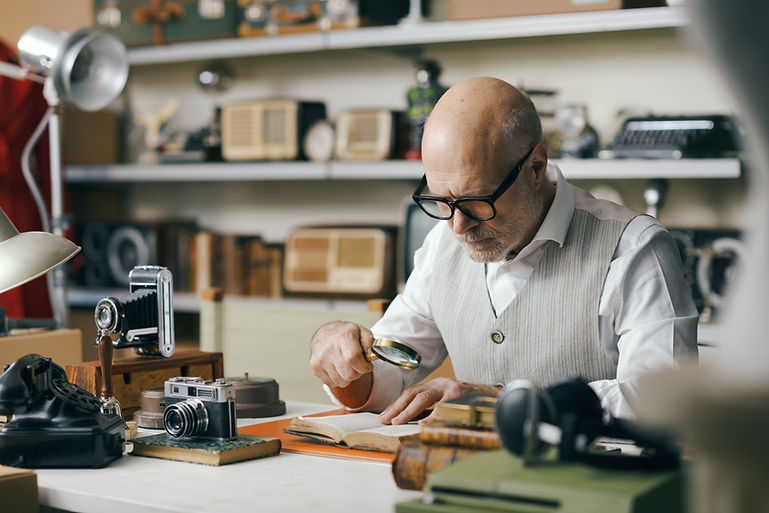
1
Take a Photo of your Object
Take a quick picture or upload an image from your camera roll.
2
AI Identifies the Object
Valuable analyzes shape, style, markings, patterns, materials, and similar items across thousands of photos.
3
Get an Estimated Value
You’ll see a price range based on recent sales, and comparable items. A full AI identification and price is 1 credit.
What Makes Something Valuable?
Value isn’t random — it’s a combination of specific characteristics that determine how desirable an item is in today’s market. Here are the factors that most influence price:
Rarity
Items that were made in limited quantities — or that have survived in low numbers — are almost always more valuable.
Condition
Marks, chips, scratches, tears, fading, or missing pieces can dramatically affect price.
Age
Older doesn’t always mean valuable, but certain eras (Midcentury, Art Deco, Victorian, 70s Modernism) perform consistently well.
Materials
Real wood, sterling silver, wool, leather, bronze, solid glass, and handcrafted materials typically command higher value.
Brand or Maker
Names like McCoy, Dansk, Waterford, Tiffany, Fenton, Le Creuset, and Herman Miller can instantly increase value.
Demand
Even common items can become valuable if people want them — think 90’s toys or discontinued IKEA furniture.


How to Tell If Something Might Be Valuable
-
It has a maker’s mark, label, hallmark, or signature
-
It feels heavy for its size
-
It’s hand-painted or hand-stitched
-
It’s made from solid wood, real metal, wool, or natural materials
-
It has an intricate or unusual shape
-
It’s a discontinued pattern or style
-
Similar items seem to sell for high prices online
-
It came from an older estate
-
It’s clearly well-made
-
It’s in excellent condition
Still not sure? Upload a photo to Valuable and let AI analyze it instantly.
How Much Are Different Types of Items Worth?
Below are mini value guides for popular categories:

Glassware & Ceramics
Items like Pyrex, Fenton glass, McCoy pottery, and vintage barware frequently resell for $25–$300 depending on pattern, color, and condition.
What increases value:
-
rare colors (pink, turquoise, opal)
-
limited patterns
-
large sets
-
original lids

Furniture
Mid-century modern furniture often commands $200–$3,000 depending on maker and condition.
Value drivers:
-
Danish modern
-
solid wood
-
dovetail joints
-
original hardware

Jewelry
Even costume jewelry can be worth $20–$500.
Value drivers:
-
sterling silver or gold
-
hallmarks
-
designer signatures
-
unusual stones

Art & Prints
Vintage prints, oil paintings, and posters can range from $40–$4,000.
Value drivers:
-
artist
-
technique
-
provenance
-
subject matter

Toys & Games
90s toys, board games, and plush often resell for $10–$250.
Value drivers:
-
original packaging
-
limited editions
-
discontinued lines

Clothing & Accessories
Vintage handbags, jackets, denim, and shoes often sell for $30–$800.
Value drivers:
-
luxury brands
-
rare models
-
heritage labels

Collectibles & Oddities
Niche items — bar signs, tools, taxidermy, advertising, sports memorabilia — range widely from $20–$2,000+.
Frequently Asked Questions
Can Valuable identify anything?
Does older always mean more valuable?
Is my item a collectible?
Why do values vary?
